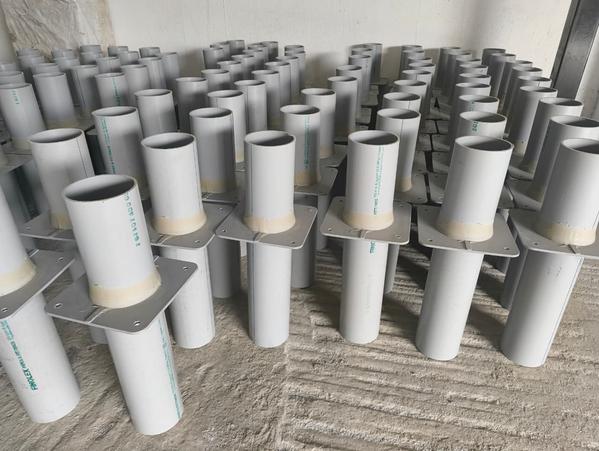
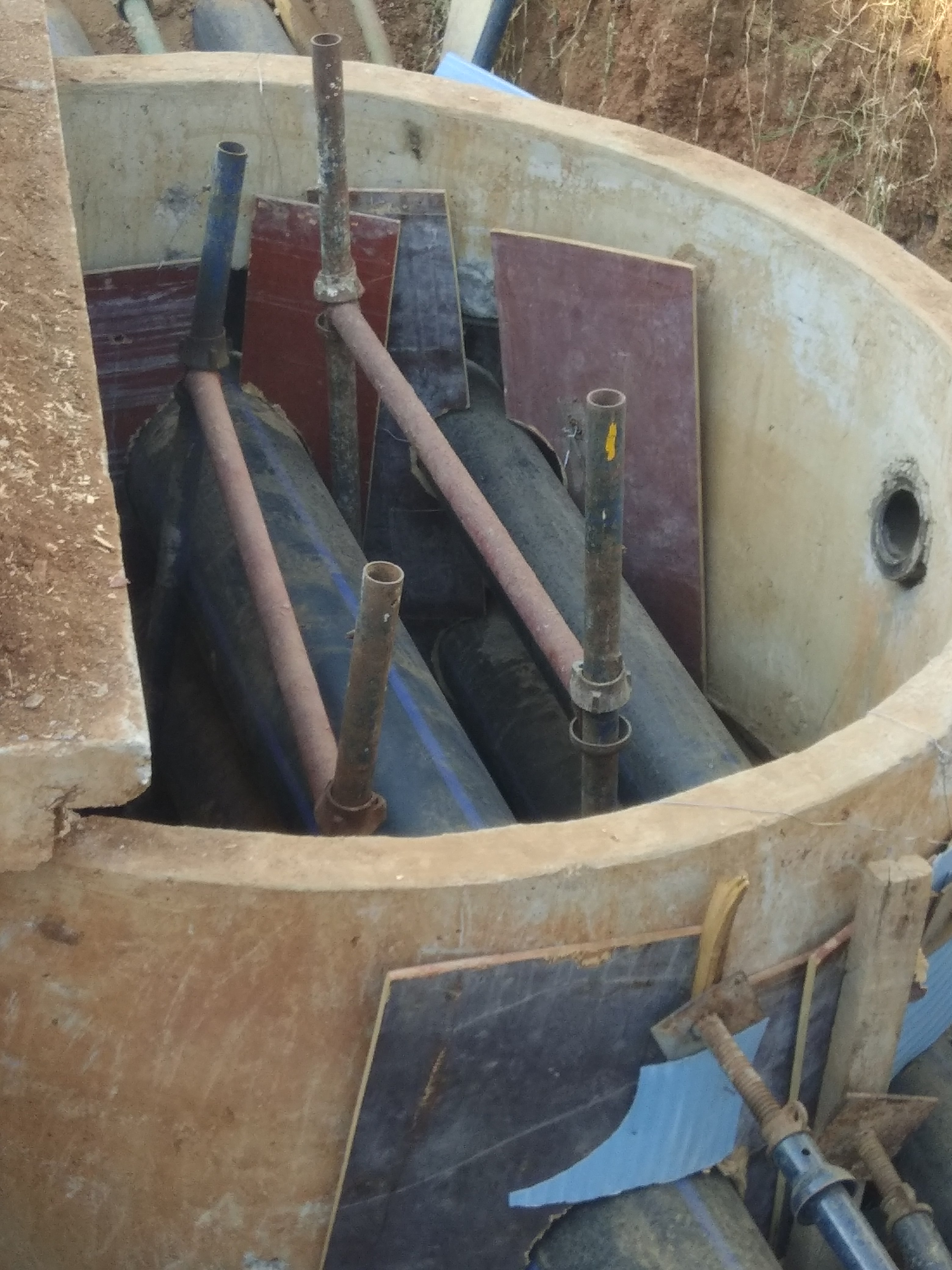
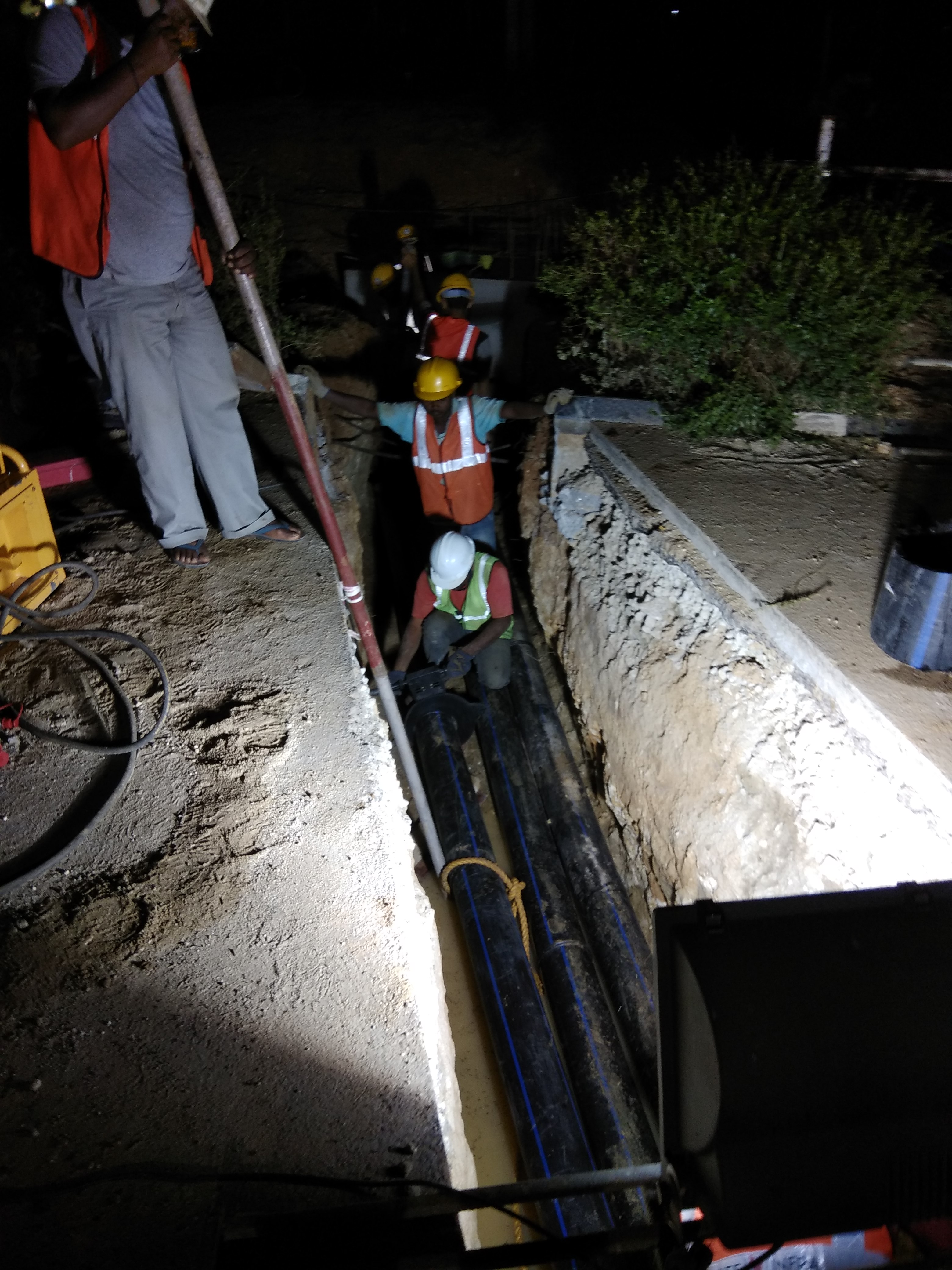
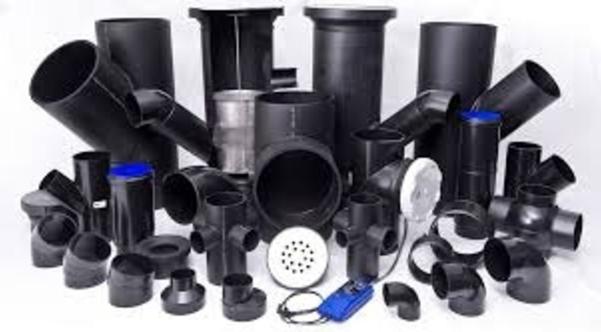
✅ PVC Puddle Flange – Applications A PVC puddle flange is a specialized fitting designed to seal around pipes that pass through concrete walls, slabs, tanks, or foundations, preventing water ingress or leakage at the entry point. It acts as a barrier to water migration along the external surface of the pipe. 🏗️ 1. Underground & Overhead Water Tanks Use: Prevents leakage where inlet/outlet PVC pipes pass through the tank wall or base. Why? Ensures watertight seal around pipe penetration Avoids structural damage due to seepage 🚿 2. Basement & Foundation Plumbing Use: Where pipes pass through concrete foundations or retaining walls. Why? Blocks groundwater or rainwater from seeping through pipe holes Enhances waterproofing of underground structures 🛠 3. Manholes and Inspection Chambers Use: Entry/exit points for pipes in concrete manholes. Why? Ensures gas- and water-tight pipe entries Reduces infiltration/exfiltration in sewerage systems 🚰 4. Water Retaining Structures Use: Dams, reservoirs, swimming pools, STP/ETP tanks. Why? Provides watertight pipe penetration Corrosion-resistant in chemically active environments 🏢 5. High-Rise Building Drainage Systems Use: Pipes crossing floor slabs or water retaining cores. Why? Prevents water movement between floors or shafts Used in combination with waterproofing membranes 🌊 6. Sewage and Drainage Pumping Stations Use: At pipe inlets/outlets in wet wells or sump pits. Why? Maintains seal against pressurized or standing water 🔧 How a PVC Puddle Flange Works It is installed during concreting, with the flange collar embedded into the concrete structure. The flange blocks water that may travel along the pipe’s outer wall. Sealing is often improved with solvent cement, rubber gaskets, or external waterproofing membranes. ✅ Key Benefits of PVC Puddle Flanges 💧 Watertight seal between pipe and concrete 🧪 Corrosion- and chemical-resistant 🧱 Compatible with PVC, HDPE, and concrete structures 🔩 Easy to install in pre- or post-concreting 🔇 Prevents both water seepage and odor leakage

Bengaluru
08042781646
Please keep +91 or 0 before dialling the number. Please keep +91 or 0 before dialling the number
+917406555511
 Chat with us
 Chat with us
SIDDHI PLASTIC
SIDDHI PLASTIC

About SIDDHI PLASTIC
The Best Plumbing Products and Services in bengaluru
Products
Featured ProductsWhat We Do
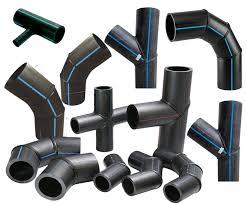
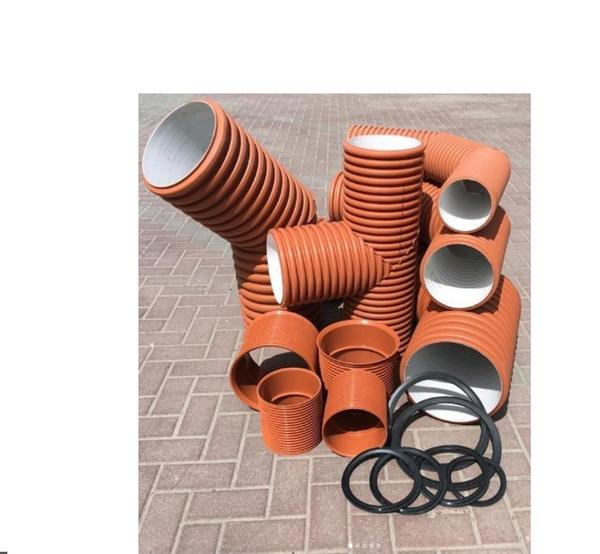
Have any custom requirements?
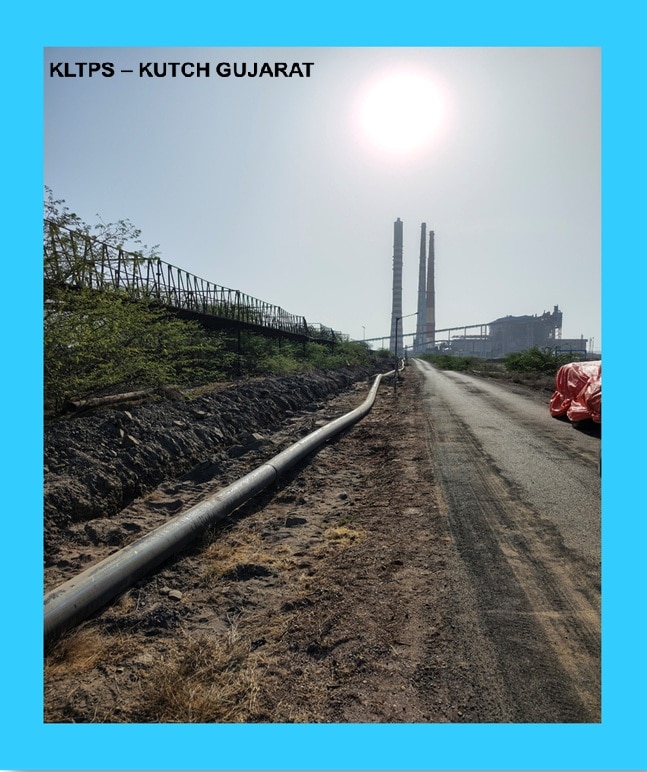
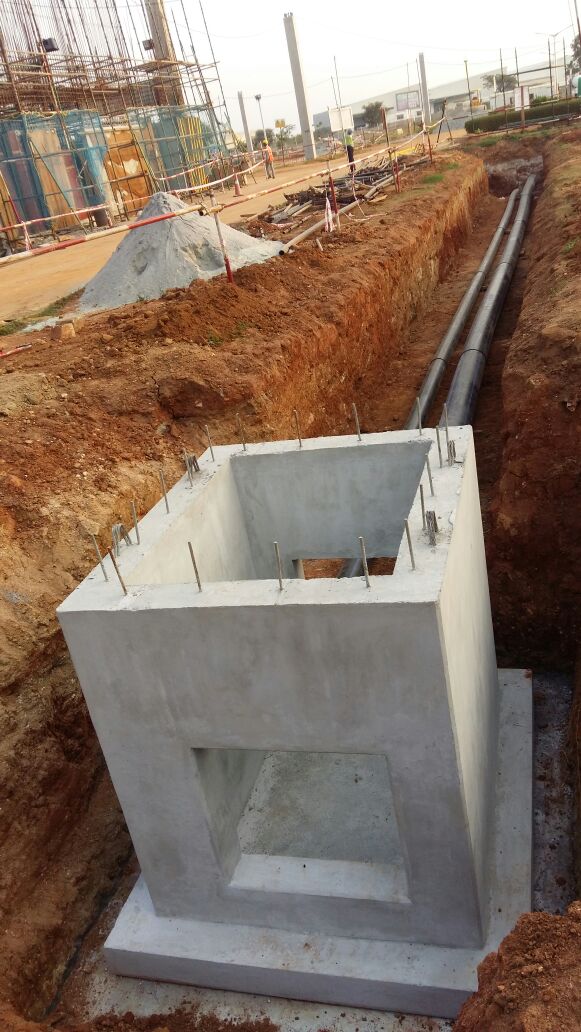
Latest Updates
Read Our Latest Updates & News
Testimonials
Umesh Narasappa ಉಮೆಶ್ ನರಸಪ್ಪ
very good Plumbing materials
×
![]()